Bakuchiol vs. Retinol: What to Know Before You Choose
Two ingredients, one goal: smoother-looking skin. Here is what the research says, and how to choose the one that suits your routine.
If you read skin care labels, you have almost certainly met retinol. Lately you may have met bakuchiol too, often introduced as its gentler, plant-based counterpart. Both are chosen for the same reason: their effect on the look of fine lines and uneven tone. They are not the same ingredient, though, and the differences matter when you are deciding which one belongs in your routine.
What is retinol?
Retinol is a form of vitamin A and a member of the retinoid family. On its own it is not the most active form. Skin converts it, by way of retinaldehyde, into retinoic acid, which is the form that does the work.3
Retinoids have been studied extensively for photoaged skin, meaning skin that shows the effects of years of sun exposure.3 Their best-known drawback is what researchers call the retinoid reaction: burning, redness and peeling where the product is applied.3 Retinol is considerably less irritating than prescription tretinoin, but it can still cause these effects.3
What is bakuchiol?
Bakuchiol is a plant compound found in the seeds and leaves of Psoralea corylifolia.2 Despite the frequent comparison, it is not a retinoid and has no structural resemblance to one.2 What makes it interesting is how it behaves. In a laboratory skin model, bakuchiol produced a gene expression profile broadly similar to retinol, which is why researchers describe it as a functional analogue of retinol.2
Laboratory findings are only a first step. The more useful question is how the two compare on real faces.
What the head-to-head study found
For years, no study in people had compared the two ingredients directly. In 2019, dermatology researchers at the University of California, Davis closed that gap with a randomized, double-blind comparison published in the British Journal of Dermatology.1 Here is how it worked:
- 44 participants took part over 12 weeks.1
- One group applied a bakuchiol 0.5% cream twice daily. The other applied a retinol 0.5% cream once daily.1
- High-resolution facial photographs were taken and analyzed at the start and at weeks 4, 8 and 12. A board-certified dermatologist who did not know which cream each person used graded pigmentation and redness.1
Both groups saw a significant decrease in wrinkle surface area and hyperpigmentation, the look of dark spots and uneven tone, with no statistical difference between the two ingredients.1 The difference showed up in comfort: retinol users reported more facial scaling and stinging.1 The authors concluded that bakuchiol was comparable to retinol for improving photoaging and better tolerated.1
It helps to keep the study in perspective. It was small, it lasted 12 weeks, and its findings describe the two ingredients as tested, not any particular product. Still, it is a carefully designed comparison, and it explains why bakuchiol has found its way into so many routines.
Who might prefer which
Bakuchiol may suit you if
- Your skin tends to feel sensitive, or retinol has left you flaky or stinging in the past.
- You like the idea of one step you can use morning and night. In the study, bakuchiol was applied twice a day.1
- You prefer to avoid retinoids, for example while pregnant or trying to conceive. More on that below.
Retinol may suit you if
- Your skin already tolerates it well and you are happy with how it looks.
- You value an ingredient family with a long research history in photoaged skin.3
- You are comfortable easing in slowly and expecting some dryness or peeling at first.
There is no single right answer. The better choice is the one your skin feels comfortable with and the one you will use consistently.
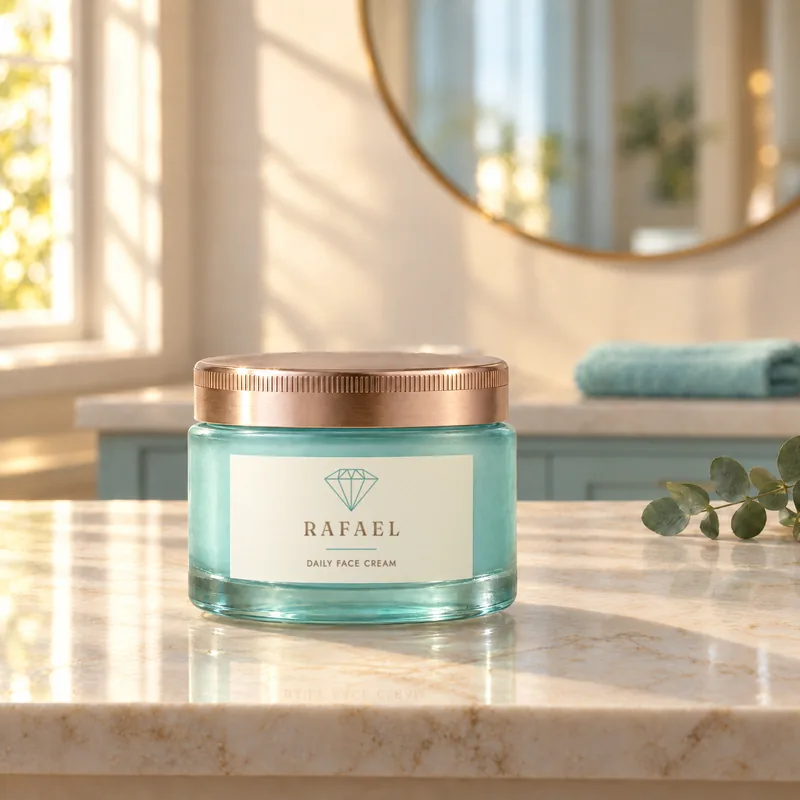
If bakuchiol appeals to you, our Daily Face Cream pairs it with niacinamide 5% and hyaluronic acid in one calm step for morning and evening.
Sun protection, whichever you choose
Daily sunscreen belongs in every morning routine, and it matters even more with retinoids. People using retinoids are advised to avoid excessive sun exposure, since sensitivity to the sun can occur, particularly early on.3 For everyone, the American Academy of Dermatology recommends a broad-spectrum sunscreen with SPF 30 or higher, which helps protect against sunburn and early skin aging.4,5
Apply it every day to skin not covered by clothing if you will be outside, even when it is cloudy, since up to 80% of the sun's UV rays can pass through clouds.5 When you are outdoors, reapply about every two hours, or after swimming or sweating.5
A note on pregnancy
The American College of Obstetricians and Gynecologists explains that topical retinoids are a form of vitamin A, and that it is generally recommended to avoid them during pregnancy. Some are available by prescription and others appear in over-the-counter products, so read labels carefully.6
If you are pregnant, trying to conceive or breastfeeding, ask your doctor before using any skin care product, including one made with bakuchiol.
Patch test before you commit
Plant-based does not automatically mean right for your skin. The American Academy of Dermatology notes that any new product can irritate skin, and that products with plant-based botanical ingredients may still contain fragrance-related ingredients.7 Dermatologists recommend a simple test:7
- Apply the product to a quarter-sized test spot twice daily for seven to 10 days.
- Choose a spot where it will not be rubbed or washed away, such as the underside of your arm or the bend of your elbow.
- Use the amount you normally would, and leave it on as long as you usually would.
- If there is no redness, itching or swelling after seven to 10 days, go ahead and use it. If you do react, gently wash it off and stop using it.
The same guidance notes that retinol can irritate skin, particularly sensitive skin, and that this is normal and temporary.7 If a reaction is severe or does not settle, see a board-certified dermatologist.7
The takeaway
Retinol is a well-studied form of vitamin A that can take some getting used to. Bakuchiol is a plant compound that, in a small randomized double-blind study, matched retinol on wrinkle surface area and hyperpigmentation, with less scaling and stinging.1 Either can belong in a calm routine. Choose the one your skin welcomes, patch test first, wear sunscreen every morning, and check with your doctor if you are pregnant or planning to be.
This article is for general information and is not medical advice.
Sources
- Prospective, randomized, double-blind assessment of topical bakuchiol and retinol for facial photoageing (Dhaliwal S, et al., 2019;180(2):289-296). British Journal of Dermatology (via PubMed). Source
- Bakuchiol: a retinol-like functional compound revealed by gene expression profiling and clinically proven to have anti-aging effects (Chaudhuri RK, Bojanowski K, 2014;36(3):221-230). International Journal of Cosmetic Science (via PubMed). Source
- Retinoids in the treatment of skin aging: an overview of clinical efficacy and safety (Mukherjee S, et al., 2006;1(4):327-348). Clinical Interventions in Aging (via PubMed Central, NIH). Source
- How to select a sunscreen. American Academy of Dermatology. Source
- Sunscreen FAQs. American Academy of Dermatology. Source
- Skin Conditions During Pregnancy. American College of Obstetricians and Gynecologists. Source
- How to test skin care products. American Academy of Dermatology. Source
For general information only, not medical advice. If you are pregnant, nursing, taking medication or have a medical condition, please check with your doctor before use.
Keep reading
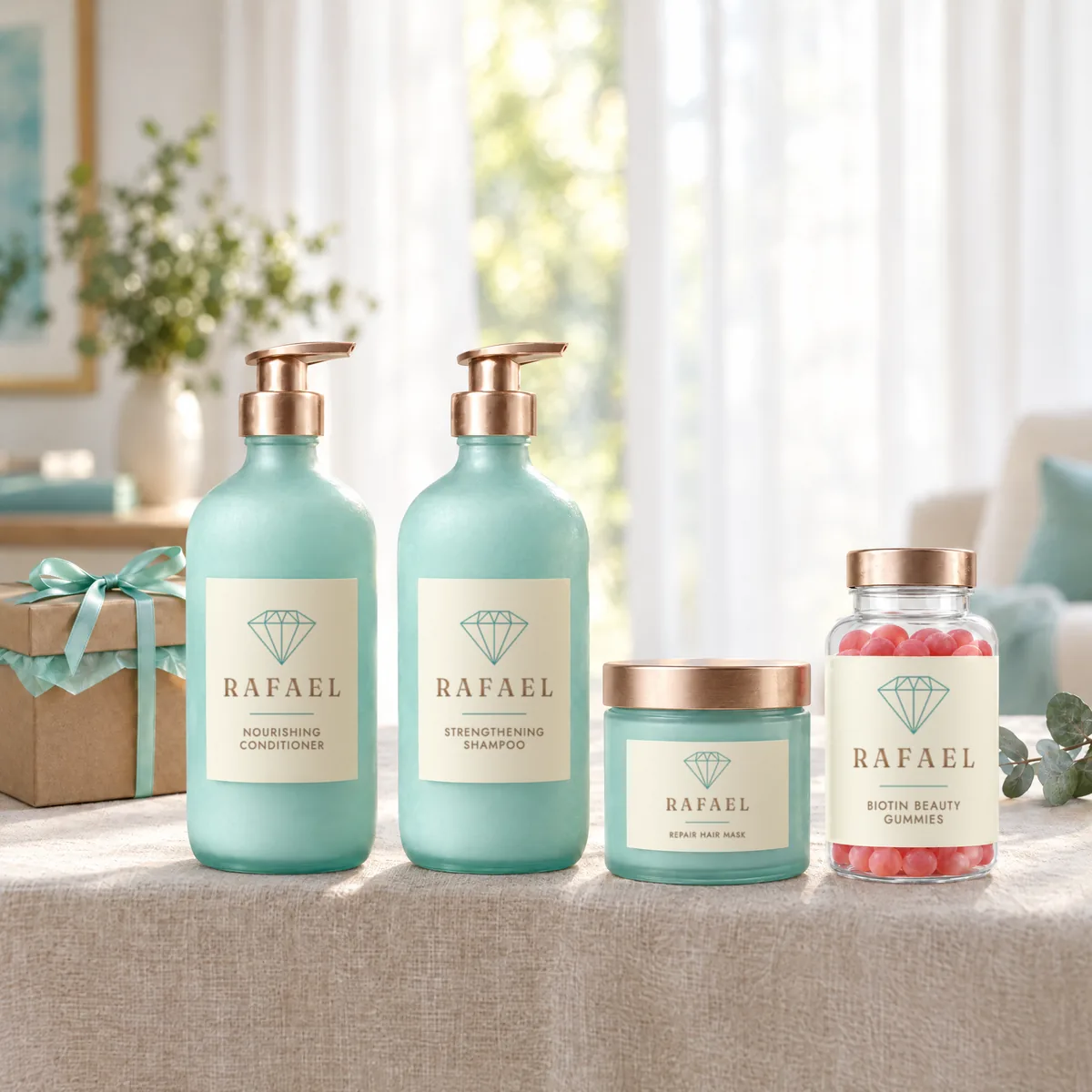
How to Build a Simple Wellness Ritual, Outside and Within
A few unhurried minutes a day, built around habits you already have.
Read →
Hair Shedding vs. Hair Loss: What Is Normal and What Is Not
Losing some hair every day is part of a healthy cycle, and knowing what normal looks like makes it easier to notice when something deserves a closer look.
Read →
Your Skin Barrier, Explained: Signs, Stressors and Gentle Care
Your skin barrier is a thin wall of cells and lipids, and the kindest thing you can do for it is usually to do a little less, more gently.
Read →